


Frequently Asked Questions About Our Car Detailing Services

Follow us

Ceramic Coating

Ceramic coating is a liquid polymer applied to the exterior of a vehicle that chemically bonds with the paint. It creates a protective layer that repels water, dirt, and contaminants, making the surface easier to clean. It also adds a glossy finish and helps protect against environmental damage, such as UV rays and acid rain.
Ceramic coating can last anywhere from 2 to 5 years, depending on factors like the type of coating, the quality of application, and the maintenance of the vehicle. Regular cleaning and proper care, such as avoiding harsh chemicals and environmental exposure, can help extend the lifespan of the coating.
Yes, ceramic coating is worth it for many vehicle owners. It provides a durable protective layer that helps guard against dirt, water, bird droppings, road salts, and UV damage, making your vehicle easier to clean and maintain. While it requires an upfront investment, it reduces long-term cleaning efforts and protects your vehicle’s paint, preserving its appearance and resale value.
Ceramic coating prices at AZ Auto Aesthetics start at $799 for coupes, $899 for midsize vehicles, and $1,099 for trucks and SUVs. These packages include essential paint preparation, such as multi-phase decontamination and paint correction, to ensure optimal bonding and performance. The coatings offer a 5-year warranty and provide benefits like enhanced gloss, UV protection, and reduced need for waxing.

To maintain a ceramic coating, regular washing is essential to keep the surface free of contaminants. Use a pH-neutral car shampoo and a microfiber cloth or mitt to avoid scratching the coating. Avoid harsh chemicals or automatic car washes. Reapply a maintenance booster every 6-12 months to ensure the coating’s longevity and performance.
Yes, ceramic coating can be applied to auto glass. It enhances visibility during rain by causing water to bead up and roll off, improving driving safety. It also helps protect the glass from contaminants like dirt, bird droppings, and water spots, making it easier to clean and maintain the glass over time.

Yes, ceramic coating can be applied to most cars, as long as the paint is in good condition. Before applying the coating, the surface needs to be thoroughly cleaned, polished, and free from contaminants. For older or damaged paint, we recommend repairing any imperfections first to ensure the coating adheres properly and delivers the best results. Matte, frozen, magno and satin paint finishes can also be ceramic coated. But without the polishing step needed first, as that would turn the finish back to gloss.

Ceramic coating protects your car by creating a hydrophobic layer on the surface, which repels water, dirt, and contaminants. This layer helps prevent scratches, oxidation, and fading caused by UV rays. It also makes washing your car easier since dirt doesn’t stick as easily, keeping the paint looking newer for longer.
The main difference between ceramic coating and wax is the level of protection and durability. Ceramic coating forms a strong, long-lasting bond with the paint, providing superior protection against scratches, water spots, and UV damage. It lasts much longer (up to two years or more) compared to wax, which offers a temporary layer of protection that typically needs to be reapplied every few months. Wax is also less hydrophobic and doesn’t offer the same level of chemical resistance as ceramic coatings.
While it’s possible to apply ceramic coating yourself, it’s recommended to have a professional do it, especially for the best results. The application process requires proper preparation, such as thoroughly cleaning and decontaminating the car’s surface. If not applied correctly, you may end up with streaks or uneven coverage. A professional also has the expertise to ensure a long-lasting and durable finish.
Ceramic coating provides a layer of protection against minor scratches and chips, but it doesn’t make the car impervious to damage. It’s a strong, hydrophobic layer that helps resist swirl marks and light scratches, but severe impacts or abrasions can still cause damage to the coating or the paint underneath. Regular maintenance and care are important to preserve its effectiveness.
Ceramic coating and Paint Protection Film (PPF) both protect your car’s paint, but in different ways. Ceramic coating provides a hydrophobic layer that repels water, dirt, and minor scratches, enhancing shine, while PPF is a thicker, transparent film that protects against rock chips and deeper physical damage. Many car owners choose both for comprehensive protection—PPF for physical defense and ceramic coating for enhanced dirt and water resistance.
While you don’t have to remove a ceramic coating, it can degrade over time due to wear and tear, environmental exposure, or improper maintenance. If it starts to lose effectiveness or you wish to reapply it for optimal performance, the coating can be professionally removed using special products or techniques to avoid damaging the car’s paint.
Yes, you can apply ceramic coating to matte paint, but it’s essential to choose a product specifically designed for matte finishes. Regular ceramic coatings may alter the appearance of matte paint, making it glossy. Specialized matte coatings will protect the surface while maintaining its original look, offering protection against dirt, water, and contaminants.
Yes, ceramic coating can be applied to wheels. It provides excellent protection against brake dust, road salts, and other contaminants, making it easier to clean your wheels. The coating also helps preserve the finish by reducing the risk of scratches and oxidation, keeping your wheels looking cleaner for longer.
Yes, ceramic coating can be applied to auto glass. It enhances visibility during rain by causing water to bead up and roll off, improving driving safety. It also helps protect the glass from contaminants like dirt, bird droppings, and water spots, making it easier to clean and maintain the glass over time.
Yes, ceramic coating can be applied to plastic parts on your car, such as bumpers, trim, and mirrors. It provides protection against UV damage, fading, and staining, while also making the plastic surfaces easier to clean. The coating helps maintain the appearance and durability of the plastic over time.
Prep is the most critical part of a ceramic coating install — and it’s where most of the labor hours go. The coating bonds directly to whatever surface it’s applied to, so anything under it gets locked in permanently. Our standard pre-coating process includes a full decontamination wash, iron remover to pull embedded ferrous particles from the paint, and a clay bar treatment to remove bonded surface contamination. From there, we perform whatever level of paint correction the vehicle needs — at minimum a single-stage polish, and a full multi-stage correction if the paint has significant swirling, water spot etching, or defects. Once corrected and clean, we wipe every panel with a panel prep solution before the coating goes on panel by panel. Depending on correction needed, a full ceramic install typically takes one to two days.
In most cases, at least some level of correction is recommended. A ceramic coating is essentially transparent — it doesn’t fill or hide defects. Any swirl marks, water spot etching, or paint imperfections present when the coating goes on will be visible (and often amplified by the coating’s gloss) for the life of the film. New vehicles aren’t exempt — dealer prep and lot washes frequently introduce light swirling before the car is even delivered. We inspect every vehicle before quoting and recommend the appropriate correction level. We won’t apply a coating over paint that we wouldn’t be proud to show you under a light.
Ceramic coating warranty comes from both the manufacturer and from us. Feynlab Ceramic Ultra V2 carries a 5-year manufacturer warranty covering coating failure, loss of hydrophobic properties, and premature degradation. Full terms at feynlab.com/warranty-terms. XPEL Fusion Plus carries a 4-year manufacturer warranty (Fusion Plus Premium V2 is 8 years) covering loss of hydrophobic performance and coating degradation, registered to your VIN through XPEL’s portal. Details at xpel.com/warranty-information. Our workmanship warranty covers contamination issues — dust or debris trapped in the coating during application — as well as any application defects that affect appearance or longevity.

Paint Correction

Paint correction is the process of removing imperfections from a vehicle’s paint, such as swirl marks, scratches, water spots, and oxidation. This is achieved using specialized tools and compounds that polish the paint, restoring its clarity and shine. The goal is to enhance the vehicle’s appearance by smoothing out imperfections, making the paint look fresh and glossy.
The cost of paint correction depends on factors such as the extent of imperfections, vehicle size, and the number of correction stages needed. On average, prices range from $450 for light correction to around $2,000 for more extensive, multi-step processes. It’s best to get an estimate based on your car’s condition and your desired results
Yes, paint correction can remove or significantly reduce light to moderate scratches, swirl marks, and imperfections in the paint. However, deep scratches that have penetrated the clear coat may require additional repair work, as paint correction primarily addresses surface-level issues.
Paint correction and polishing are closely related but not the same. While both involve improving the paint’s appearance, paint correction is a more in-depth process that targets imperfections like swirl marks and scratches. Polishing is typically the final step in the correction process, where the paint is refined and given a smooth, glossy finish.
You’ll know if your car needs paint correction if you notice visible imperfections like swirl marks, light scratches, water spots, or faded paint. These issues are often more noticeable under direct sunlight or when the car’s surface feels rough. If your car’s paint lacks the smooth, glossy finish you expect, it may benefit from paint correction.
While it’s possible to perform paint correction yourself, it requires the right tools, products, and knowledge of techniques. Without experience, you risk causing further damage, such as creating new scratches or using the wrong polishing pad. For the best results, it’s recommended to hire a professional who can safely and effectively restore your car’s paint.
The paint correction process can take anywhere from 6 to 12 hours, depending on the condition of your vehicle’s paint, the extent of imperfections, and the level of correction needed. For severe cases, it may take longer. A professional detailer will assess your car and provide an estimate based on its needs.
Yes, paint correction can effectively remove swirl marks. By polishing the surface, it removes a thin layer of clear coat, eliminating the imperfections and restoring the paint’s smooth finish. The severity of swirl marks will determine how much correction is needed, but most swirl marks can be addressed with the right techniques.
Paint correction should typically be done when you notice noticeable imperfections, swirl marks, or fading in your vehicle’s paint. For most cars, this is generally every 1 to 2 years, depending on factors like exposure to the elements, how often you wash the car, and the condition of the paint. Regular maintenance, like washing and waxing, can help extend the time between corrections.
Paint correction is the process of mechanically leveling the clear coat using machine polishers, abrasive compounds, and polishing pads to remove or reduce surface defects. It fixes: swirl marks from improper washing or automatic car washes; water spot etching from hard water or rain; light scratches that haven’t penetrated through the clear coat; buffer trails or holograms from a previous improper machine polish; and early-stage oxidation from UV exposure. Paint correction does not fix deep scratches that penetrate through the clear coat, stone chips, or dents — those require body repair first. We inspect your paint and give you an honest assessment of what correction can and can’t address.
Single-stage correction uses one compound and pad combination — typically a finishing polish on paint with light swirling and otherwise good condition. It removes minor defects and restores gloss without taking much clear coat material. Multi-stage correction starts with a cutting compound on a more aggressive pad to remove heavier defects — deeper swirls, water spot etching, oxidation — followed by one or more finishing stages to refine the surface to full gloss. On vehicles with significant paint defects, this is the only way to actually resolve the issue rather than just partially improve it. We assess defect depth under a paint thickness gauge and inspection lighting before quoting a correction level, so you only pay for what’s actually needed.
Yes — wet sanding is part of our paint correction capability when the situation calls for it. Machine polishing with compound removes the majority of clear coat defects, but certain issues require wet sanding first: deep scratches that compound can’t reach, heavy orange peel texture, paint runs or sags from a previous respray, or severe water spot etching that has bitten too deep for polish alone. Wet sanding is a more aggressive process that removes more clear coat material, so it’s not the default on every job. We use it selectively, with the appropriate grit progression, when it’s the correct tool for the defect. Knowing the difference between what needs wet sanding and what only needs polishing is the skill.

PPF Clear Bra

At our shop, we primarily use XPEL PPF (Paint Protection Film), which is considered one of the best in the industry. XPEL offers excellent durability, self-healing properties, and superior protection against rock chips, scratches, and stains. It’s a trusted choice for high-end vehicles and ensures long-lasting results.
PPF, or Paint Protection Film, is a clear, durable layer of film applied to the painted surfaces of your vehicle to protect it from scratches, rock chips, stains, and other environmental damage. It is designed to be nearly invisible while providing a strong shield that keeps your car’s paint looking new.
The cost of Paint Protection Film (PPF) can vary depending on factors such as vehicle size, the areas you want protected, and the type of film you choose. At our shop, we offer a range of options, including XPEL Ultimate Plus 8 mil-10 mil, XPEL Stealth, and Stek Fashion Paint Protection Film. Each film offers unique features like self-healing properties and durability, with options for partial front coverage, full frontal coverage, or full-body coverage. For an accurate quote tailored to your vehicle, please contact us directly. Our team will assess your vehicle and discuss the best options to suit your protection needs.
Paint Protection Film (PPF) typically lasts between 5 to 10 years, depending on the type of film, maintenance, and environmental conditions. Films like XPEL Ultimate Plus and Stek Fashion are designed to be durable and resistant to yellowing, staining, and fading. Proper care, such as regular washing and avoidance of harsh chemicals, can help extend the life of your PPF.
Yes, PPF can be applied to nearly any car, regardless of make or model. Whether you have a daily driver, a luxury vehicle, or a sports car, we can customize the application to suit your car’s specific needs. PPF can be applied to various parts of the car, including the front end, doors, mirrors, and even the full body, offering protection wherever you need it.
The main difference between PPF (Paint Protection Film) and ceramic coating lies in their protection methods. PPF is a physical, transparent film that is applied directly to your car’s paint, providing a protective barrier against rock chips, scratches, and road debris. It also self-heals minor scratches over time. On the other hand, ceramic coating is a liquid applied to the paint, creating a hydrophobic surface that repels water, dirt, and contaminants while enhancing shine and making cleaning easier. While PPF offers more physical protection, ceramic coating provides enhanced durability and ease of maintenance.
Yes, PPF (Paint Protection Film) is specifically designed to protect your car’s paint from rock chips, scratches, and other forms of damage caused by road debris. The film acts as a protective layer, absorbing the impact of small rocks and other objects, preventing them from causing damage to the underlying paint. This makes PPF an excellent choice for preserving your car’s appearance and maintaining its paint integrity.
When high-quality PPF, such as XPEL Ultimate Plus or Stek Fashion PPF, is applied, it is virtually invisible. The film is designed to blend seamlessly with your car’s paint, offering protection without altering the appearance. Some variations, like the Stek Fashion PPF, even have a satin finish that can slightly change the texture or shine, but will still look smooth and clear. So, in most cases, you won’t notice the film once it’s properly applied.

The high-quality PPF, like XPEL Ultimate Plus PPF, is designed to be virtually invisible once applied. It seamlessly integrates with your car’s paint, providing protection without altering its appearance. Some types, such as XPEL “Stealth” PPF, have a matte or satin finish that may subtly affect the texture or shine, but it remains smooth and clear. In most cases, you won’t even notice the film after it’s applied.

Maintaining PPF on your car is relatively simple. To keep it in top condition, wash your vehicle regularly with a mild, pH-balanced car soap, avoiding abrasive materials that could scratch the film. You should also apply a ceramic coating over the PPF to enhance its protective properties and make cleaning easier. Avoid automatic car washes with harsh brushes, as they can damage the film. If any contaminants or damage occur, get in touch with a professional for repairs or touch-ups to ensure the PPF remains effective.
Yes, PPF is worth the investment, especially for those who want to protect their vehicle’s paint from damage caused by road debris, rock chips, scratches, and environmental elements. The film acts as a protective barrier without altering your car’s appearance, preserving its value and aesthetics. With the right maintenance, it can extend the lifespan of your vehicle’s paint, ultimately saving you money on repairs and touch-ups.

Matte or satin PPF (XPEL Stealth Paint Protection Film) is a variation of the traditional clear film designed to give your vehicle a unique finish. Unlike the glossy look of regular PPF, matte or satin PPF creates a smooth, non-reflective appearance that enhances the car’s paint while maintaining protection. It is ideal for vehicles with matte or satin finishes, as it preserves the original look while safeguarding the paint from chips, scratches, and stains.

Colored PPF (Paint Protection Film) is a specialized type of film that comes in various colors, allowing car owners to customize the appearance of their vehicle while also providing protection. This film offers the same protective benefits as clear PPF, such as shielding the paint from rock chips, scratches, and UV damage, but adds a vibrant, tinted look. Colored PPF is available in a range of hues and finishes, including matte, gloss, and satin, and can be used on specific areas of the car or for full coverage to achieve a unique, personalized aesthetic.
Yes, you can ceramic coat PPF (Paint Protection Film). In fact, adding a ceramic coating to PPF enhances its protective capabilities. The coating creates an extra layer of protection that helps repel water, dirt, and contaminants, making it easier to clean your car and maintain the film’s clarity. It also adds a glossy finish and increases the film’s resistance to staining and UV damage. Keep in mind that it’s important to apply the ceramic coating after the PPF has fully cured, as this ensures optimal bonding and effectiveness.
No, PPF (Paint Protection Film) is not harmful to car paint when applied correctly. In fact, it provides an additional layer of protection for your vehicle’s paint. High-quality PPF, such as XPEL or Stek, is designed to protect against scratches, rock chips, bird droppings, and other contaminants without damaging the underlying paint. However, it’s crucial to have the film professionally applied to ensure it adheres properly and doesn’t cause any issues, like trapping dirt or moisture, which can affect paint over time.
Both — and knowing when to use each is part of what separates a quality install from a basic one. We use a digital plotter and DAP/Papillon pattern software for the majority of our cuts. This gives us precise, repeatable patterns for hoods, fenders, bumpers, and roofs without making a single blade contact with your vehicle’s paint. That said, our technicians are also fully capable of bulk installs and hand-cutting when the job calls for it. Certain complex curves, custom coverage areas, or edge-wrapping situations actually produce better results with a skilled hand-cut approach — particularly on unusual body lines, aftermarket panels, or areas where pre-cut patterns don’t account for factory variances on a specific vehicle. We use whichever method produces the cleanest, most seamless result for your car.
Yes — for a proper full-body or comprehensive PPF installation, some degree of disassembly is standard and necessary. This typically includes removing bumper covers, door handles, side mirrors, trim pieces, and sometimes emblems or moldings to allow the film to be tucked cleanly behind panels rather than cut at the edge. Edge-cutting film at panel lines is faster, but it leaves a visible film edge and an exposed gap where moisture, debris, and UV can get underneath over time. Tucking the film behind trim and under edges produces an invisible install that lasts significantly longer and looks better up close. Our technicians are experienced with vehicle disassembly across a wide range of makes and models, including performance and luxury vehicles with complex front-end assemblies.

We install several PPF options depending on your goals: XPEL Ultimate Plus — our most popular clear PPF. Gloss finish, self-healing topcoat, 10-year manufacturer warranty against yellowing, cracking, blistering, and delamination. XPEL Stealth — same protection as Ultimate Plus but with a satin/matte topcoat. Ideal for matte factory finishes or customers who want to convert a gloss paint to a satin look. Pure PPF, Carla’s PPF and XPEL’s own colored lineup now offer a combined total of several hundred color options. This is the far superior option to vinyl for the AZ road grit and climate. Colored PPF that combines full paint protection with a color-shifting aesthetic finish, eliminating the need for a vinyl wrap entirely. The right choice depends on your paint finish, whether you want to change the look of the vehicle, and your budget. Request a quote at wedetailaz.com/contact or call (480) 241-9324.

PPF warranty coverage comes from two sources — the manufacturer and us. XPEL manufacturer warranty: XPEL Ultimate Plus and XPEL Stealth carry a 10-year limited warranty covering yellowing, cracking, blistering, and delamination. Registered to your vehicle’s VIN. Full terms at xpel.com/warranty-information. Our workmanship warranty: We back every install with our own warranty covering installation quality — including edge lifting, contamination trapped under the film during installation, improper adhesion, and any visual defects resulting from the installation process. If something looks wrong because of how it was installed, we make it right.

Window Tint

Ceramic window tint is a type of window film made from advanced ceramic particles that provide superior heat rejection, UV protection, and glare reduction. Unlike traditional tints, ceramic tints do not contain metal, which means they don’t interfere with electronic signals like GPS or phone reception. Ceramic tint also offers enhanced durability, providing long-lasting protection for your car’s interior and helping keep the temperature inside the vehicle cooler while maintaining visibility.
The cost of window tinting can vary depending on the type of film used, the size of your vehicle, and the number of windows to be tinted. Typically, prices for quality ceramic window tinting range from $200 to $600 for a standard sedan, with higher-end options or larger vehicles like SUVs and trucks costing more. For an accurate estimate, it’s best to contact us directly so we can assess your needs and provide a customized quote.
Window tint can last anywhere from 5 to 10 years, depending on the quality of the film, exposure to sunlight, and proper care. Ceramic tints, in particular, tend to last longer due to their superior durability and resistance to fading. Regular maintenance and avoiding harsh cleaning products can help extend the lifespan of your tint.
Window tinting is legal in Arizona as long as it complies with state regulations. For front-side windows, the tint must allow more than 33% of visible light. Backside windows and rear windows can have any darkness, while the windshield can only have non-reflective tint above the AS-1 line. Tint reflectivity should not exceed 35%, and amber or red tint colors are prohibited. If your window tint meets these requirements, it is legal. Always consult with a professional or local authorities for any specific questions or concerns regarding compliance.
Yes, window tint can be removed. The process involves carefully peeling the film from the window using heat and specialized tools to avoid damaging the glass. It’s best to have a professional do the removal to ensure it’s done correctly, as improper removal can leave adhesive residue or scratch the window.
For privacy, a tint percentage of 20% to 35% is generally recommended. This allows for a good balance between privacy and visibility. A 20% tint offers more privacy, making it difficult for others to see inside, while a 35% tint still provides a clear view from the inside but limits visibility from the outside. Be sure to check local laws, as legal limits can vary by state.
Yes, window tint can block UV rays. High-quality window tints, especially ceramic tints, can block up to 99% of harmful ultraviolet (UV) rays from the sun. This helps protect your skin from sun damage and also prevents fading and cracking of your car’s interior.
To care for window tint, avoid rolling down your windows for at least 48 hours after installation to allow the tint to fully cure. Clean the tinted windows with a soft cloth or microfiber towel to prevent scratches, and use a mild, ammonia-free cleaner to avoid damaging the film. Avoid using abrasive materials or harsh chemicals. Regular cleaning and gentle care will keep the tint looking great and functioning properly for years.
While it is possible to apply window tint yourself, it requires a high level of skill and precision. Professional tinting ensures proper adhesion, avoids bubbles or imperfections, and meets legal tinting standards. DIY kits are available, but they may not provide the same level of quality and durability. It’s recommended to hire a professional to achieve the best results.
In Arizona, window tint darkness is regulated by the Visible Light Transmission (VLT) percentage, which indicates how much light can pass through the window. For the front side windows, the law requires a minimum VLT of 33%, meaning that the tint must allow at least 33% of light to pass through. There are no restrictions on the darkness of tints for the back side windows and rear window. However, for the windshield, tinting is only permitted above the manufacturer’s AS-1 line and must be non-reflective. Additionally, Arizona limits the reflectivity of window tints. Front and back side windows must have a reflectivity of no more than 35%. While darker tints are allowed on rear windows, they must not obstruct the driver’s view or violate safety standards. It’s crucial to ensure that your window tint complies with these legal standards to avoid fines or penalties.
Yes, you can tint a windshield in Arizona, but only the top portion of the windshield, above the AS-1 line or the top 5 inches. The tint must be non-reflective to avoid glare. Tinting below this area is prohibited by law to ensure visibility and driver safety. Always consult with a professional to comply with the law.
High-quality window tint, particularly ceramic tint, generally does not block radio or GPS signals. However, some metallic tints may interfere with these signals due to their metal content. It’s important to choose a non-metallic tint if you’re concerned about signal interference. Always check with the tint provider for specific product details.

We use XPEL ceramic window tint for its superior performance and protection. XPEL’s Prime XR and Prime XR Plus films provide the highest level of UV ray and cabin heat rejection, keeping your vehicle cool and comfortable. XPEL offers excellent durability and clarity, without compromising signal reception for radio or GPS. With a lifetime transferable warranty, XPEL ceramic tint is a reliable, high-quality choice for optimal protection and privacy.

Both, depending on the vehicle and the window. We use plotter-cut patterns for most vehicles — precision-cut film that fits the glass without blade contact on the window itself. For rear windows with complex compound curves — particularly on coupes, hatchbacks, and some SUVs — bulk installation by a skilled technician often produces a better result. Rear glass with aggressive curves requires the film to be heat-formed and shrunk to lay flat without creasing. That process is as much technique as it is tooling, and our installers are trained in both approaches. We use whichever method eliminates fingers, creases, and gaps for your specific vehicle.
We install XPEL XR Prime ceramic window tint as our primary film. XR Prime is a high-performance ceramic film that blocks significant infrared heat without metallic layers — meaning no signal interference with GPS, radar detectors, or phone connectivity. In Arizona, heat rejection is the primary reason most customers tint, and ceramic film outperforms standard dyed or hybrid films significantly in actual cabin temperature reduction. We also carry other high-performance ceramic tint options depending on your VLT preference and budget. Arizona law allows front side windows down to 33% VLT; rear windows can go darker on vehicles with factory rear mirrors. We’ll advise on legal limits for your specific vehicle.

Yes — Arizona offers a medical exemption process for drivers who require additional UV or light protection due to a documented medical condition. If approved, the exemption typically allows darker tint on side and rear windows beyond the standard 33% VLT front limit. You are required to carry a signed certificate from a licensed physician in the vehicle at all times.

That said, many drivers who explore the exemption route are surprised to find that a properly specified ceramic film — like XPEL XR Prime or XPEL XR Plus — blocks 99% of UV rays and up to 98% of infrared heat at legally compliant shade levels. For most medical light-sensitivity concerns, a high-performance ceramic film at legal VLT handles the UV protection without the paperwork. We’re happy to walk through the options with you if you’re weighing both paths.

TSER (Total Solar Energy Rejected) is the broadest heat performance number — it measures what percentage of the sun’s total energy (visible light + infrared + UV combined) the film blocks. A higher TSER means less overall heat entering the cabin. It’s the most useful single number for comparing films head-to-head.

IR rejection measures only how well the film blocks infrared radiation, which is the primary driver of that deep, radiant heat you feel even through glass. IR rejection numbers can be measured across different wavelength ranges depending on the brand, so they’re best used as a secondary data point rather than the sole comparison metric.

How XPEL XR Prime and XR Plus perform

Both films use nano-ceramic particle technology — no metal, which means no interference with GPS, radar detectors, Bluetooth, or cellular signals.

  • XPEL XR Prime: Blocks 99% of UV rays, up to 85% infrared heat rejection, and up to 66% TSER. Strong performance across the board for a ceramic film at its price point.
  • XPEL XR Plus: Blocks 99% of UV rays, up to 98% infrared heat rejection (at 1025nm), and up to 71% TSER at legal shade levels. XR Plus uses a more advanced multi-layer nano-ceramic construction that significantly outperforms XR Prime on IR and TSER at equivalent VLT shades.

In Arizona’s climate — where cabin temperatures in parked vehicles can exceed 150°F and UV index regularly hits 11+ — the difference between XR Prime and XR Plus is meaningful in real-world comfort, especially for vehicles that spend time outdoors or have large glass areas (panoramic roofs, large rear windows).

For full technical specifications on both films, see the official XPEL spec sheet: XPEL PRIME Specification Sheet (PDF).

We install both XR Prime and XR Plus at AZ Auto Aesthetics. If you’re deciding between the two, we’re happy to walk through which makes sense for your vehicle, glass configuration, and budget. Request a quote here or call (480) 241-9324.

Warranty & Post-Install Care

The first 48–72 hours after installation are the curing window — avoid washing the vehicle and keep it out of heavy rain. After curing, wash with a pH-neutral automotive shampoo, avoid automatic car washes with abrasive brushes, and don’t use solvent-based cleaners directly on the film. For self-healing films like XPEL Ultimate Plus, minor surface scratches in the topcoat self-repair with heat — direct sun exposure or a warm water rinse is usually enough in Arizona’s climate. Bird droppings, bug splatter, and tree sap should be removed promptly — these are acidic and can etch the topcoat if left to bake on in Arizona summer heat.
The first 72 hours after coating application are critical — the coating is still curing and should not get wet. Avoid washing, rain exposure, and parking under trees during this window. Once cured, wash with a pH-neutral shampoo — high-pH alkaline soaps degrade the coating’s hydrophobic properties over time. Avoid automatic car washes with brushes. A ceramic-coated vehicle typically needs only a rinse and light wash to stay clean; the hydrophobic surface prevents most contamination from bonding. We recommend a professional coating inspection and maintenance service every 6–12 months in Arizona’s climate — this also satisfies the annual inspection requirement for maintaining XPEL Fusion Plus warranty coverage.
Yes — with some important considerations. We use a paint thickness gauge on every vehicle before any install. Factory paint has predictable thickness readings; resprayed panels typically read thicker. This tells us where prior body work has been done and helps us assess the quality of the respray. Issues we look for include poor texture match, solvent pop, insufficient clear coat thickness for paint correction, and incompatible paint chemistry. If a respray was done properly, it’s a non-issue. If there are concerns, we’ll be upfront before any work begins. We’d rather have that conversation than install a premium job over a respray that’s going to fail.
Beyond the manufacturer warranties on the materials we install, AZ Auto Aesthetics backs every job with our own workmanship warranty. This covers defects that result from the installation process itself: contamination (dust, debris, or particles trapped beneath PPF or within a ceramic coating during application); adhesion failures (edge lifting or delamination caused by improper prep or technique); visual defects (fingers, creases, silvering, or application marks that are visually obstructing or unsightly); and longevity concerns (any installation-related issue that compromises how long the product performs as intended). The manufacturer warranties cover the materials. Our workmanship warranty covers the human element. If something is wrong with how a job was installed, we make it right. Contact us at (480) 241-9324 or wedetailaz.com/contact.

CLIENT TESTIMONIALS

4.9
Based on 789 Reviews
  • John Mardinly

    My third car done here. Excellent work every time. If you care about your new car, getting these guys to put on the clear bra is mandatory. My old BMW was 15 years old, over 100,000 miles with clear bra and didn’t have a mark on it when I sold it. I recently noticed that my new BMW for which I had clear bra installed did not have any paint protection for the door sills or the top of the rear bumper adjacent to the hatchback, and I noticed it was getting some heel scuff marks, so I had the ZPEL protection added there too.

  • Jon Wing

    I had my windows tinted and came back to have ceramic coat done after stupidly taking my car through a car wash that had left swirls in the clear coat. I had the car 2 months and was worried paint would never look right. Ceramic coat surpassed any expectation I had. It looks better than new. The reason I’m taking the time though was the customer service I received. It was every person from owner to every person I dealt with. I can tell there is a culture there that promotes this type of service that is one of best I’ve seen regardless of industry. Thank you for getting my car back to better than new!

  • Brady M

    Top notch service for ceramic coating and ppf. I was on a tight timeline and Brenan got the job done. During the process, the team was very engaging and informative on questions beyond the service they were providing. I will be a repeat customer and highly recommend this to anyone in the valley—thank you for the updates and level of professionalism throughout the process.

  • April

    I decided to go with Arizona auto aesthetics because of the 500+ positive reviews... Brenan was quick to respond to my questions and sent me quotes for pricing. He was able to work me into the schedule and even provided a rental Tesla. I noticed a small area under the handles wasn't treated; Brenan heard about my concerns and immediately reached out to resolve them. He personally apologized and placed the door cups on for free! I’m so happy to work with a group who takes pride in service that keeps you coming back. UPDATE: Two weeks out, I used the cleaner they provided and it took 15 minutes to wipe down—it looks just like the day it was applied!

  • Balaji Kannan

    Worked with AZ Auto Aesthetics for PPF and they did an outstanding job! Had a dent due to highway debris and they worked with a mobile repair company to fix it quickly. Very responsive and high quality. UPDATE: I had to go back because small rocks hit the back door; they did the best fix possible without removing the film and did it for free. They even recommended and installed mudflaps for free! This is how to retain a customer for life. UPDATE 12/9/23: Had to get mirror PPF and glass tint due to collision damage. Timely and excellent quality work.

  • Garrett Wallace

    I let Brenan know I was in a bit of a time crunch but wanted to get my car protected before I had to brave the constant rock barrage on our freeways. Not only did Brenan stay late to let me bring the car in after hours, he actually started on it immediately and updated me constantly. You can tell the second you walk in that these are car guys who will take just as good care of your car as you will. In less than 24 hours, they completed a wrap, ceramic coating, and a killer smoked protection film on the headlights.

  • George Lopez

    I purchased my 2024 Genesis G80 and was in love until I washed it and noticed all the micro scratches and swirls. That feeling went away until I brought it to AZ Auto Aesthetics! I took advantage of paint correction and PPF. They were very responsive, sent detailed updates with pictures of the entire process. The car looks even better than it did day 1… it looks wet, sleek and almost has a 'creamy' look to the paint. I went from disappointment to once again being in love!

  • Derick

    Outstanding Wrap Job on My Cadillac LYRIQ! From the moment I contacted them, the team was professional and helpful in guiding me through the process. The quality of the wrap is nothing short of exceptional. The attention to detail is evident, with seamless edges and a flawless finish. It not only enhances the aesthetics but also provides an added layer of protection to the original paint. I highly recommend AZ Auto Aesthetics.

  • FoesFlyDennis

    I had the full front of my 2024 Ram covered with PPF then Ceramic on the whole truck. This was not cheap but less than other bids I received. I'm compelled to offer feedback on the people. The owner personally replied to my Sunday afternoon online bid request. The manager, Garrison, is smart and confident. I would be totally comfortable sending my wife to the facility, knowing she would be respected and treated with consideration. I would much rather build relationships with people when hiring services rather than shopping for lowest price.

Locate Us

Our Locations

Enter your ZIP code to see which location is closer to you

Amenity Map

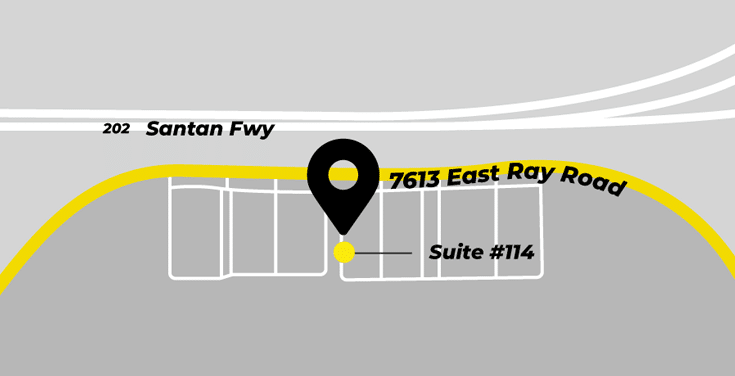
Get directions to visit us