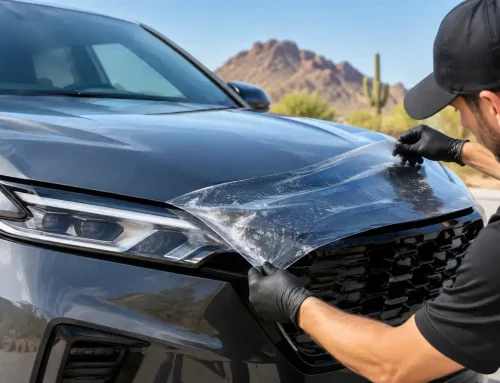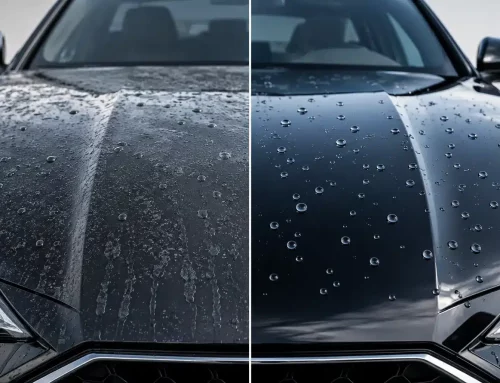
A certified PPF installer does far more than apply a clear layer to a vehicle. The difference shows up in the places owners notice later: clean edges around complex panels, film that stays stable through brutal heat, protected areas that do not collect dirt, and a finish that still looks factory-level after thousands of Arizona miles.
Paint protection film is a premium investment because it is asked to absorb real damage. Highway debris, construction-zone grit, rock chips, desert dust, chemical staining, hard-water spotting, and relentless UV exposure all work against a vehicle’s finish. The product matters, but the installation standard determines whether that protection performs as intended.
Why Certification Matters With Paint Protection Film
Certification is not a marketing label. It means an installer has been trained in the handling requirements, installation methods, approved solutions, pattern systems, and warranty procedures associated with a specific film manufacturer. That foundation matters because PPF is not forgiving when shortcuts enter the process.
A trained installer understands how different areas of a vehicle behave. A flat hood is one thing. A sharply contoured bumper, a mirror housing, a carbon-fiber splitter, or a Tesla’s complex front end is another. Each panel requires controlled stretch, proper tension, exact alignment, and disciplined edge work. Pull film too aggressively and it can distort. Leave excess tension near an edge and lifting can develop later. Set an edge in the wrong location and dirt lines become visible.
Certification also creates accountability. When a vehicle qualifies for a manufacturer-backed warranty, the work must meet specific requirements. That gives owners a clearer path if a verified material defect appears. It does not mean every mark on film is covered forever, but it does mean the installation is connected to an established product system rather than an unknown roll of film with vague promises.
What a Certified PPF Installer Should Inspect First
Premium installation begins before a pattern is selected. A vehicle may be new, but new does not automatically mean perfect. Transport contamination, dealership wash marks, adhesive residue, mineral deposits, and light surface defects are common. Covering those issues with film locks them underneath a highly visible gloss layer.
The proper approach is correction before protection. The installer should inspect paint condition under strong, color-accurate lighting and explain what preparation is needed for the level of finish you expect. On a black Porsche, deep metallic BMW, or gloss-black Tesla, small defects can stand out dramatically once the panel is protected. On lighter colors, the same flaws may be less noticeable, but they still affect the final result.
This is where transparent consultation matters. Not every vehicle needs the same level of preparation, and not every owner has the same objective. A new daily driver may need targeted refinement before a front-end package. A collector vehicle or high-gloss luxury build may justify comprehensive correction before full-vehicle film. The right recommendation is based on paint condition, use, expectations, and budget – not a one-size-fits-all package.
Precision Is Visible in the Details
Most owners initially judge PPF by how well it prevents chips. That is fair, but installation quality is easiest to see in the details. A certified installer should be focused on panel alignment, edge placement, relief cuts, sensor areas, emblems, body lines, and the consistency of every covered section.
Whenever possible, film should follow the shape of the panel without unnecessary seams or exposed paint around vulnerable edges. Modern plotter-cut patterns allow accurate coverage without cutting directly on the vehicle’s surface. In some cases, custom modifications are appropriate for improved coverage, but they must be performed with experience and restraint. More coverage is not automatically better if it creates undue tension or compromises a clean, durable finish.
Wrapped edges can provide a more refined appearance and added protection, yet they are not possible on every panel. Tight clearances, attached trim, panel construction, and manufacturer design all affect what can be wrapped safely. A trustworthy installer explains these limitations rather than promising invisible results where the vehicle’s construction does not allow them.
A few tiny installation characteristics can also be normal during the curing process. Small moisture pockets, a faint temporary haze, or minor silvering can settle as the installation solution evaporates. Contamination, lifted edges, trapped debris, severe stretch marks, or misaligned patterns are different issues. The shop should explain the distinction clearly and schedule an inspection after curing when needed.
Arizona Makes Installer Skill More Important
Mesa-area drivers do not operate in gentle conditions. Summer heat can push surface temperatures far beyond what most drivers realize, while freeway speeds turn loose gravel and road debris into a constant threat to front-end paint. Parking outside adds UV exposure, and monsoon rain can leave mineral-heavy water behind as it dries.
Quality PPF is designed to help defend against those conditions, with self-healing topcoats on many premium films that can reduce the appearance of light surface scratching when exposed to heat. But the film still needs to be installed in a controlled environment. Dust control, lighting, temperature stability, clean water, and proper prep all affect how the film lays down and cures.
That is why a purpose-built facility matters more than a quick install in a mixed-use bay. Precision work requires the installer to see what is happening on the surface, keep airborne contamination under control, and allow enough time for final inspection. The goal is not simply to finish the job quickly. It is to deliver coverage that looks right from three feet away and holds up after a summer of real driving.
Choosing the Right Level of Coverage
There is no universal PPF package that fits every vehicle. The best coverage plan depends on how and where you drive. A performance car that sees frequent freeway miles faces a different risk profile than a weekend vehicle kept mostly in a garage. An SUV used for regular commuting may benefit from protection in areas a low-slung coupe does not prioritize.
A focused front-end package commonly protects the high-impact zones: front bumper, hood, fenders, mirror caps, and headlights. It is a strong value for drivers who want practical defense against the most common chip damage. Adding rocker panels, lower doors, rear wheel-impact areas, and the cargo loading edge can make sense for vehicles exposed to gravel, wider tires, or frequent road trips.
Full-vehicle PPF is the highest level of physical paint protection. It is often the right choice for exotic, luxury, dark-colored, or long-term ownership vehicles where preserving the entire finish is the priority. The trade-off is cost and installation time. It is an investment that should be made because it matches your ownership plan, not because someone insisted every vehicle needs the largest package.
Film finish also deserves consideration. Gloss PPF preserves and enhances the factory paint appearance, while satin or matte film can transform a gloss vehicle into a more subdued, distinctive finish. That conversion can look exceptional, but it requires a consistent full-panel or full-vehicle strategy. Mixing finishes without a deliberate design can create an uneven appearance.
Questions Worth Asking Before You Book
The right conversation with an installer should feel specific to your vehicle. Ask which film brand and line will be used, whether the shop is certified to install it, and what warranty applies to both the material and workmanship. Ask how the paint will be inspected and prepared before the film is installed. Ask which edges can be wrapped, where seams may be necessary, and why.
You should also ask to see completed work in person when possible. Photos are useful, but direct inspection reveals edge control, pattern alignment, finish clarity, and how the shop handles difficult areas. Look at vehicles with body shapes similar to yours. A clean installation on a simple flat panel is not the same challenge as a tightly styled bumper or a vehicle with extensive gloss-black trim.
At AZ Auto Aesthetics, the standard is correction, protection, reflection: address the finish honestly, protect it with proven premium film, and deliver a result that looks intentional from every angle. That mindset is especially valuable when your vehicle is more than transportation.
After installation, follow the curing guidance you are given. Avoid washing immediately, do not pressure-wash edges at close range, and use careful wash methods once the film has settled. Protection film is durable, not indestructible. Smart maintenance protects the investment and keeps the finish looking sharp.
The best time to choose a certified PPF installer is before the first chip becomes the one you notice every time you walk up to the vehicle. A precise installation gives your paint the defense it needs while letting the design, color, and finish remain the focus.